System of Work
The system that connects strategy, teams, and real results
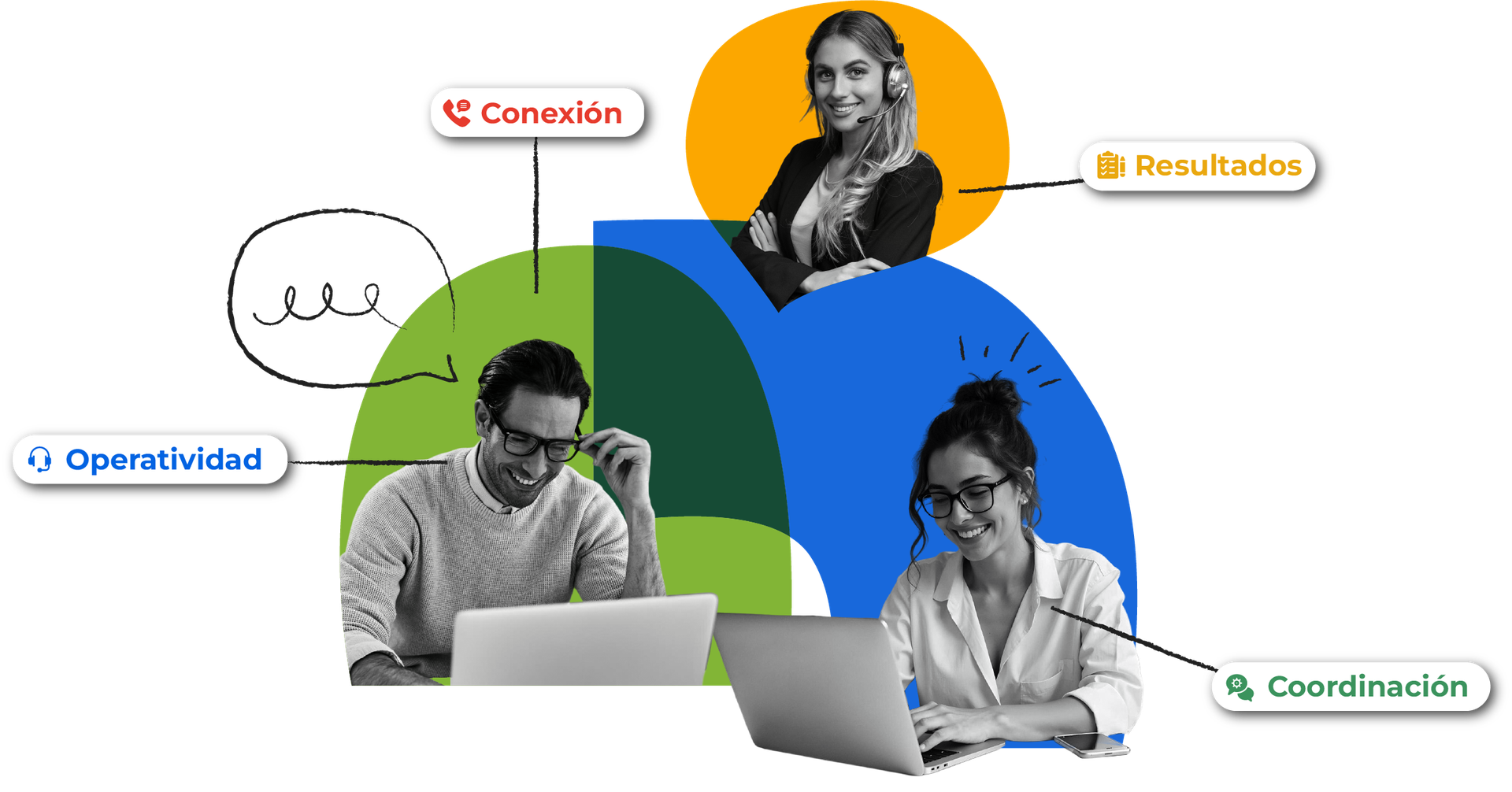
When work is misaligned, results are diluted

When the work is misaligned, the results are diluted
Its goal is simple yet critical:
Align people, processes, knowledge, and technology to deliver results faster and with greater impact.
This system connects three key dimensions:
Clear and visible goals
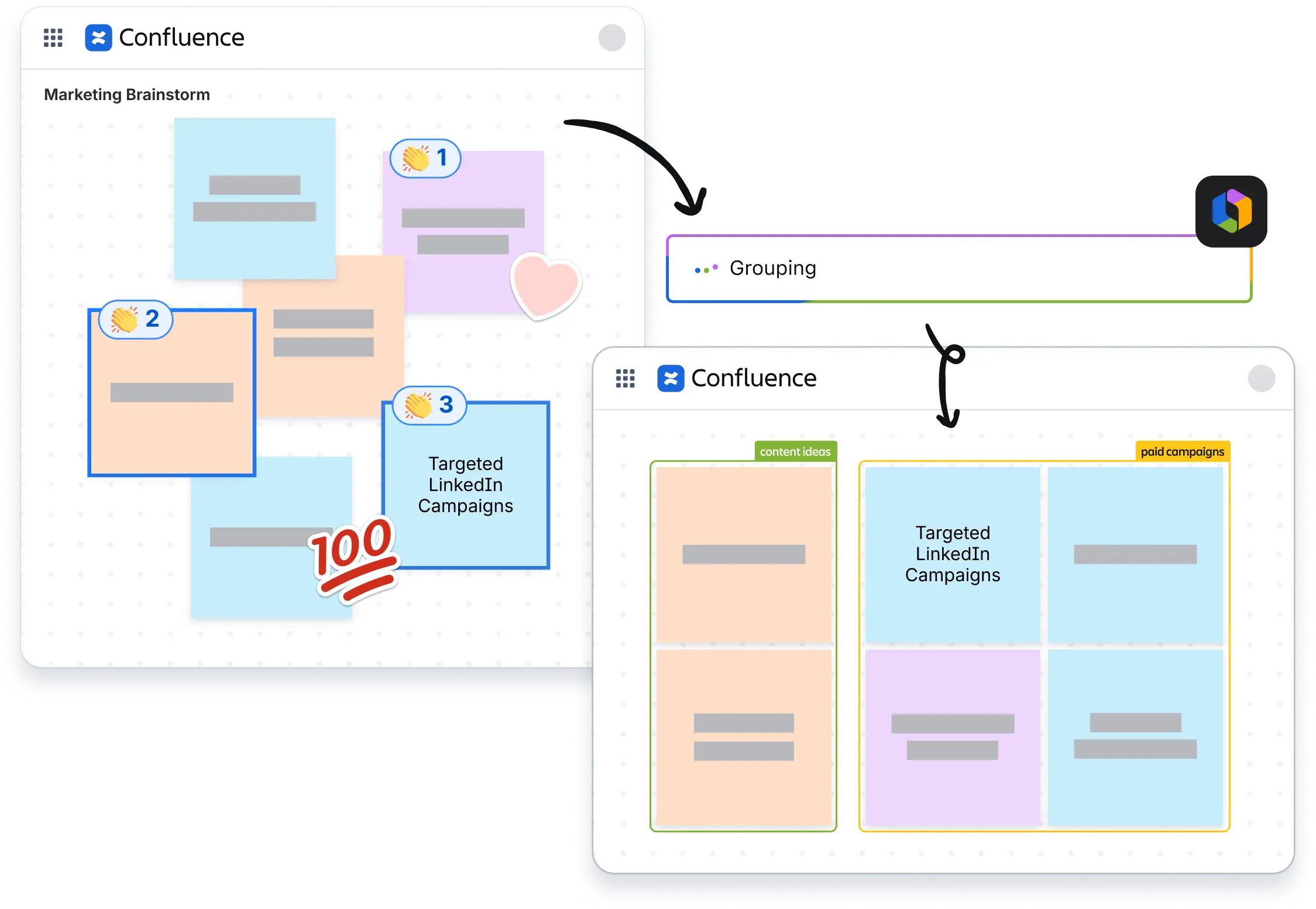
Coordinated work across teams
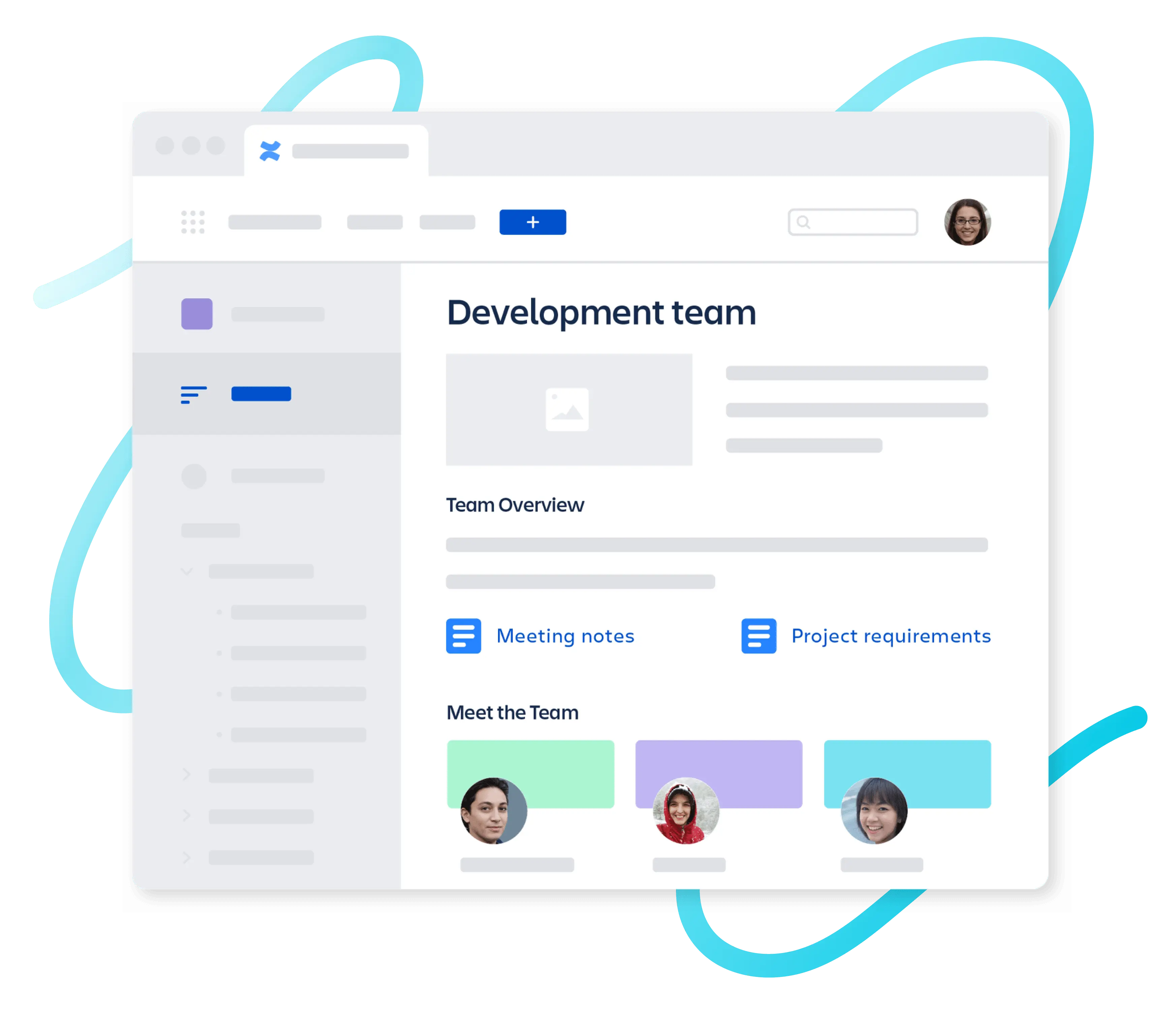
Continuous learning based on real data
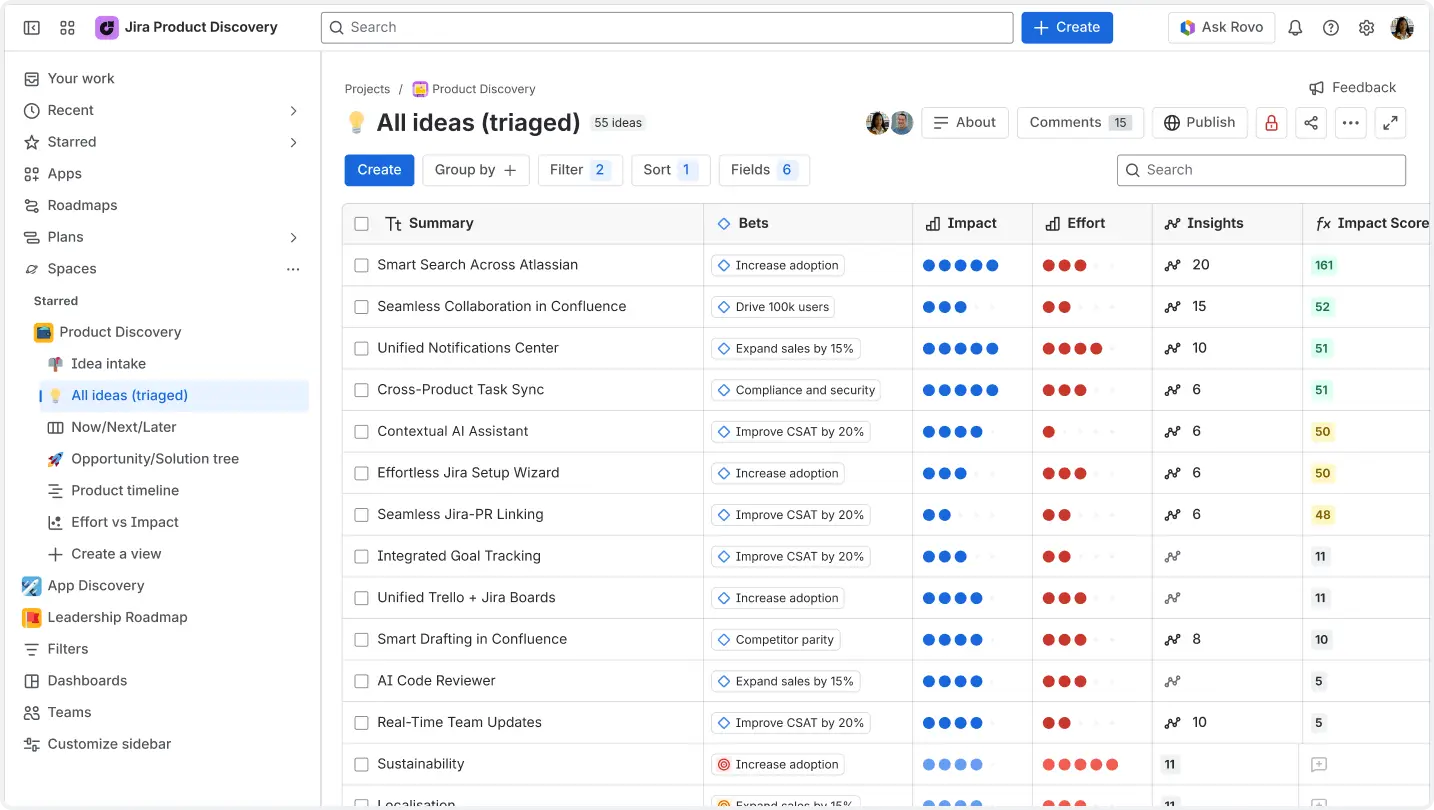
Atlassian thus becomes the operating core where strategy is transformed into concrete work, and work into business value.
The 4 Pillars of a Connected Work System
Align work with objectives
Ensure that every task contributes to strategic goals.
Plan and track work
Manage projects with visibility and transparency from start to finish.

Unleash collective knowledge
Centralize information so it is accessible and useful for everyone.

Organize and empower teams
Provide every team with the autonomy and context they need to succeed.

How the System of Work functions in practice
The System of Work operates as a continuous engine that connects strategy and execution:
Business goals become visible to all teams.
Work is planned and prioritized based on those goals.
Tasks, projects, and services are executed in a coordinated manner.
Knowledge is documented and reused.
Real-world work data fuels better decisions.
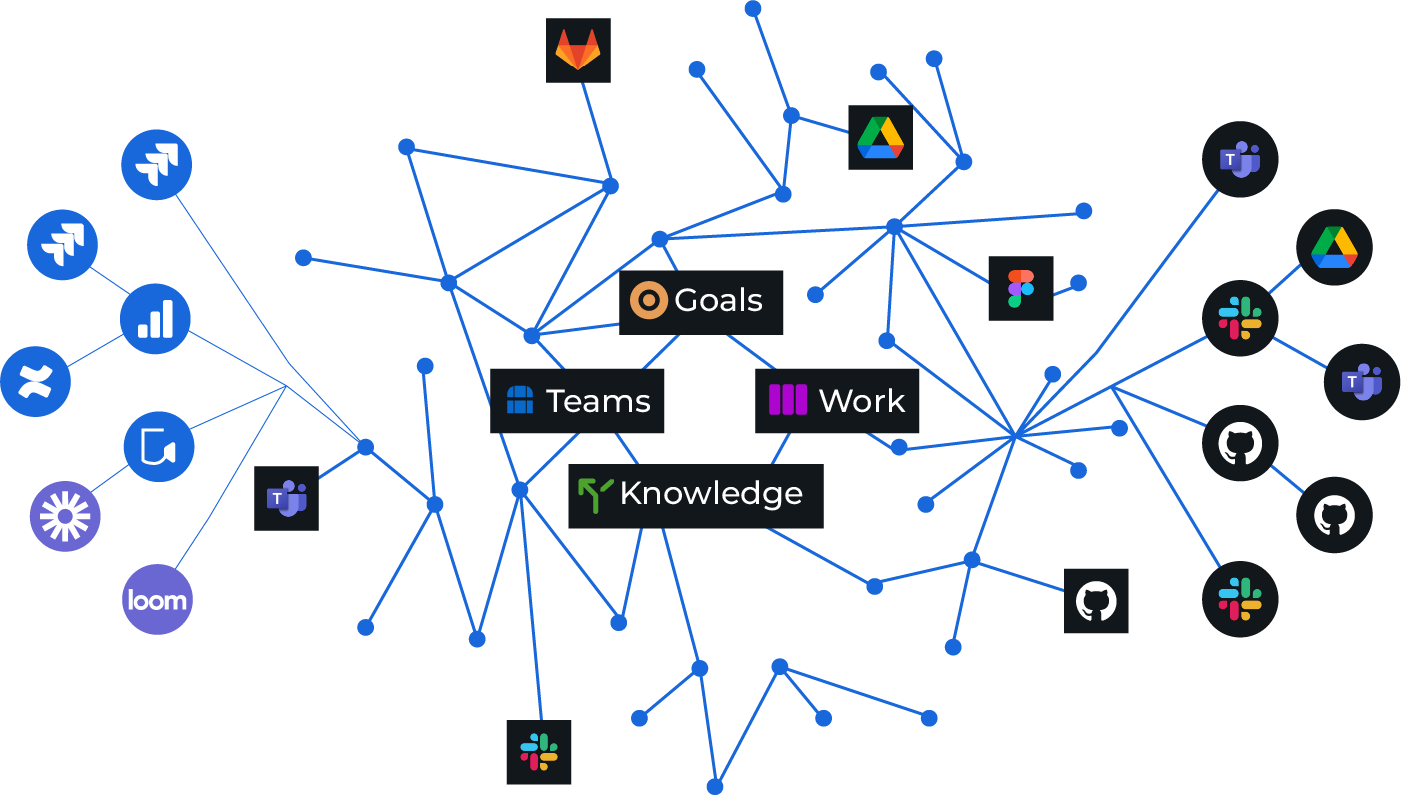
All of this happens within the Atlassian ecosystem, with a central layer connecting everything: Teamwork Graph.
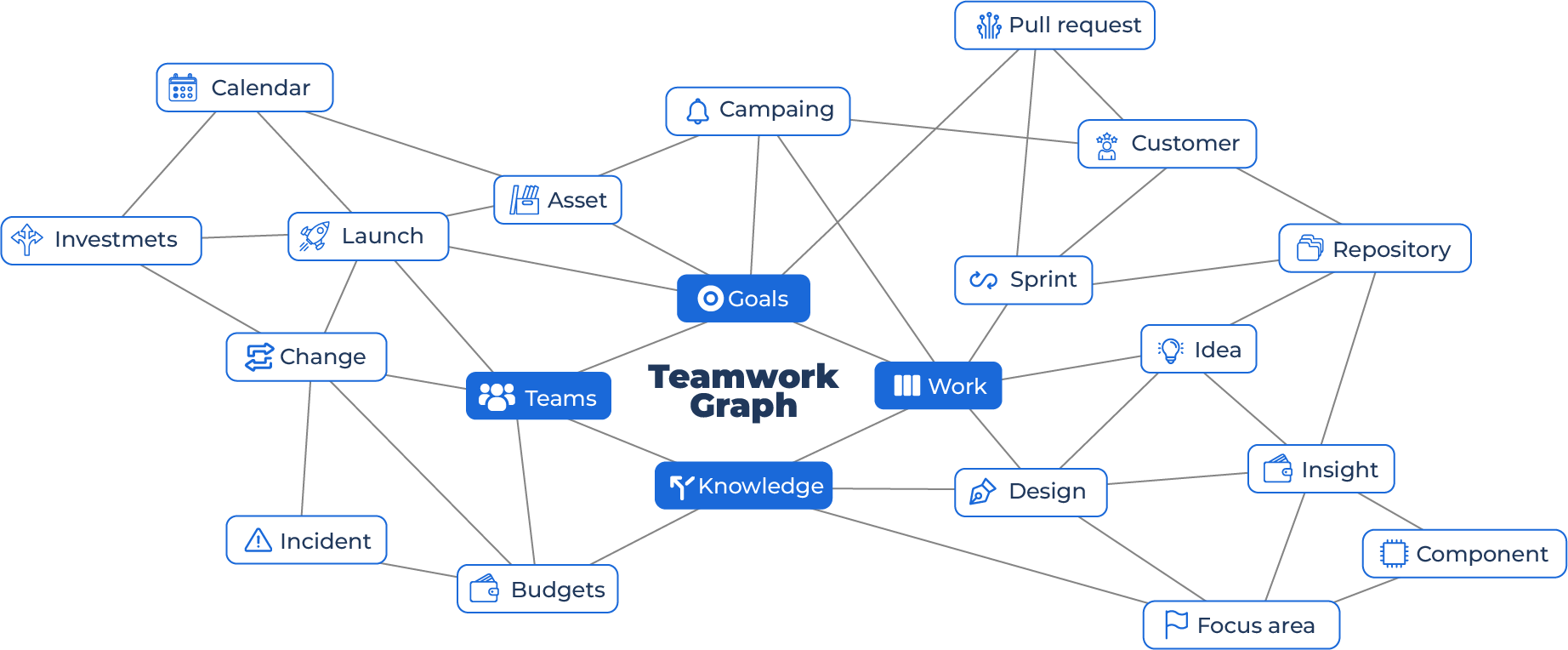
What does the Teamwork Graph enable?





Real visibility into cross-team work.
Early detection of blockers and risks.
Prioritization of what truly generates value.
Connecting results with strategic goals.
Enabling automation and contextual AI.
Without this layer, tools function in isolation. With the Teamwork Graph, the company operates as an integrated system.
What the System of Work is composed of
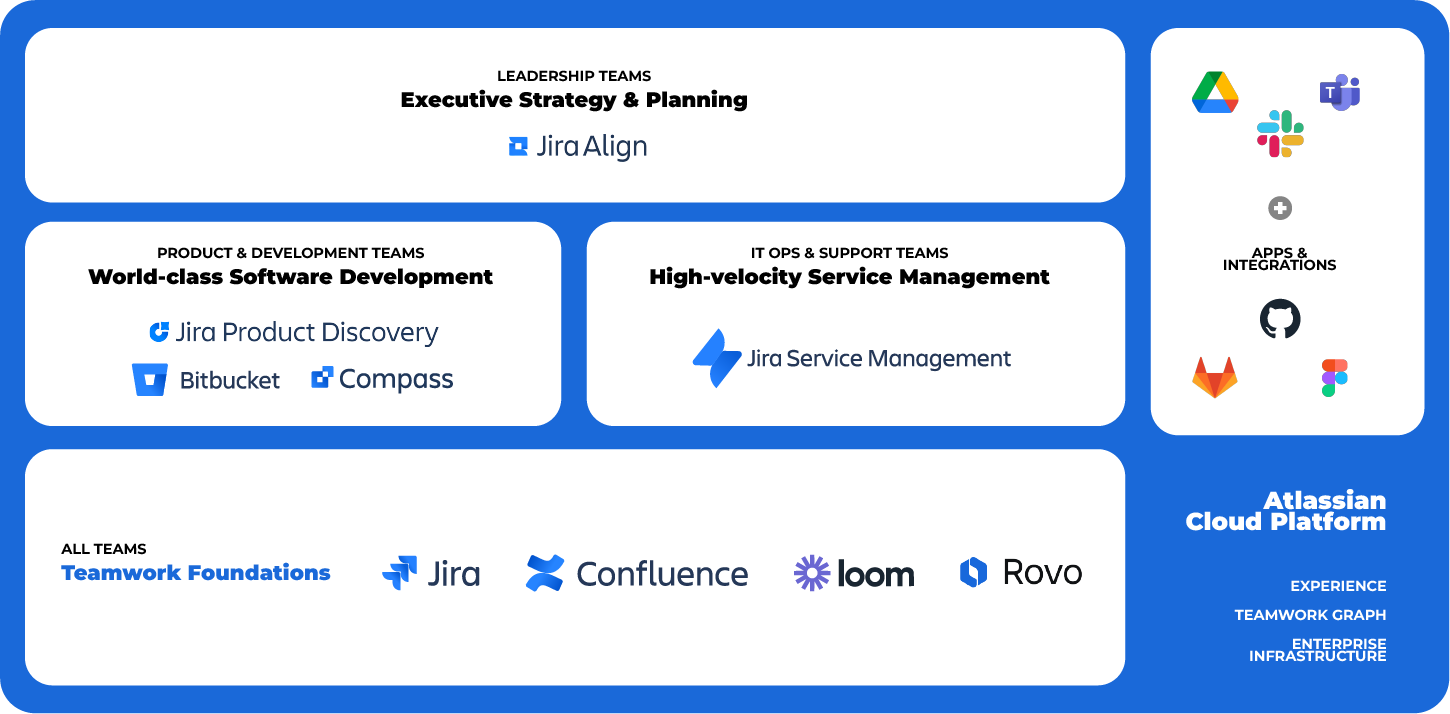
The System of Work is built on core pillars that every company can adopt based on its maturity:
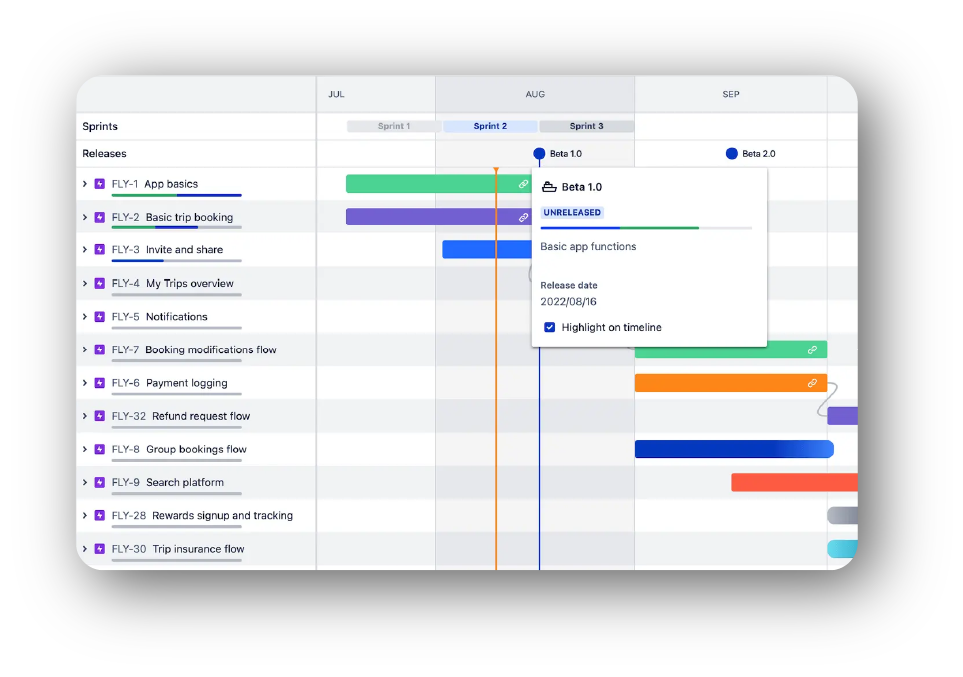 Work planning and management
Jira Software
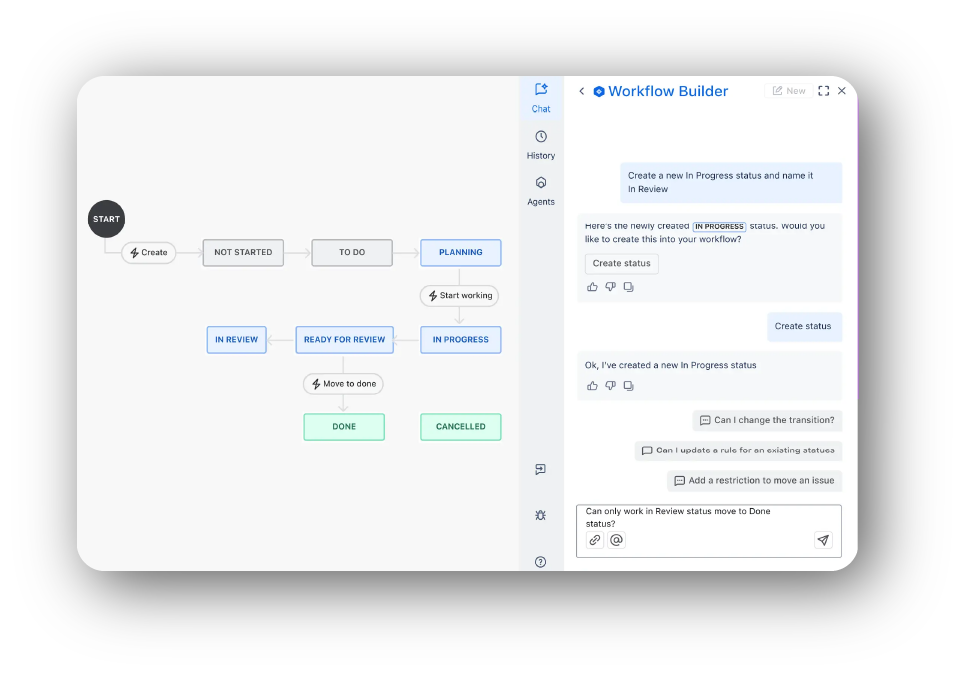
Service management and operations
Jira Service Management
 Centralized knowledge
Confluence
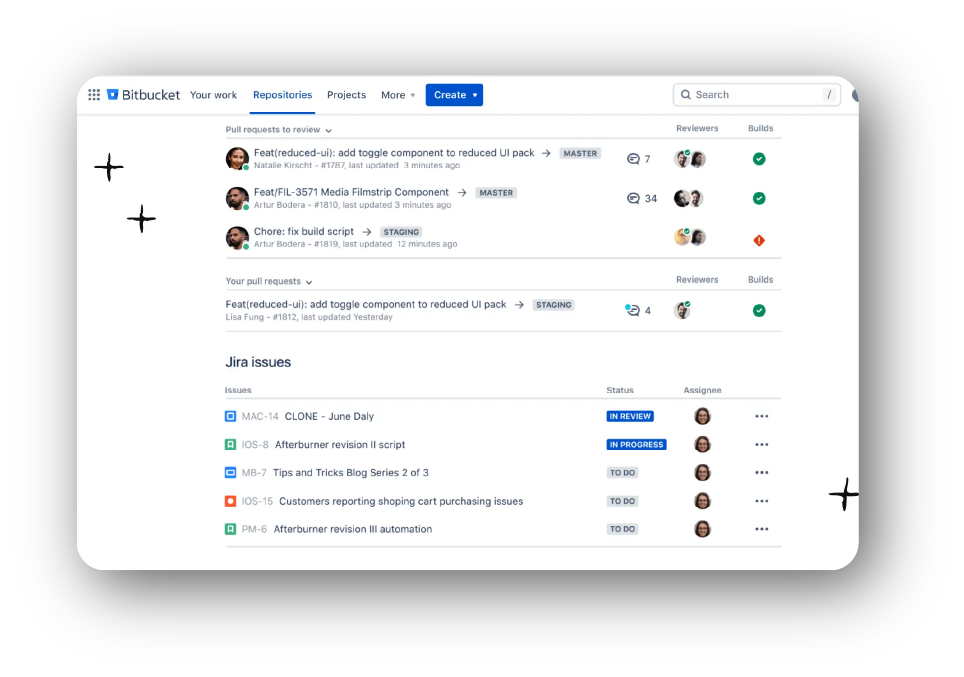
Software development and deployment
Bitbucket / CI-CD
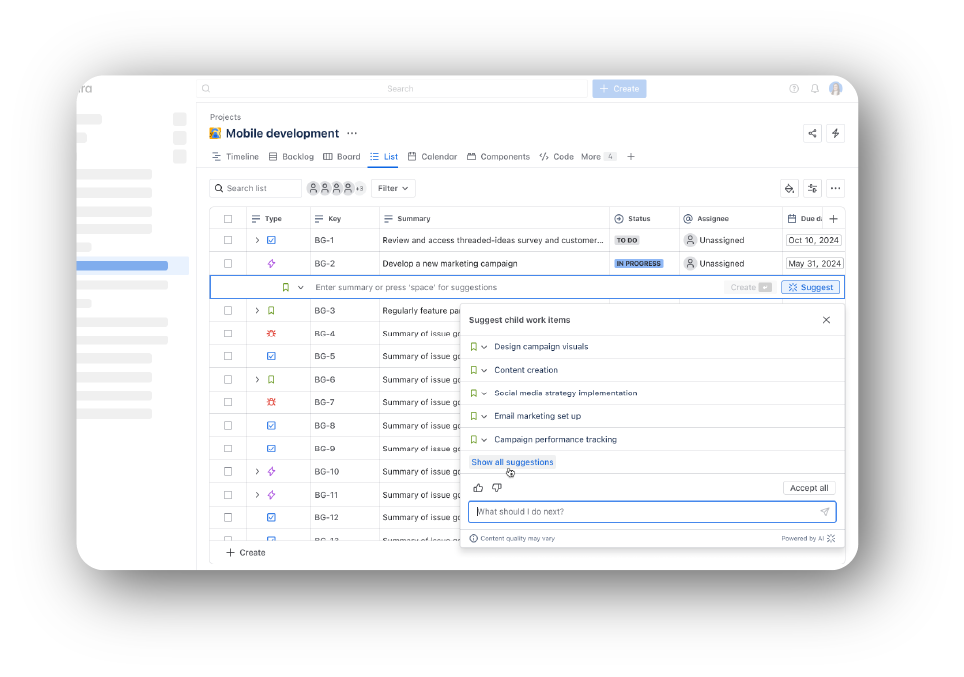
Automation and AI
Rules, workflows, and contextual intelligence
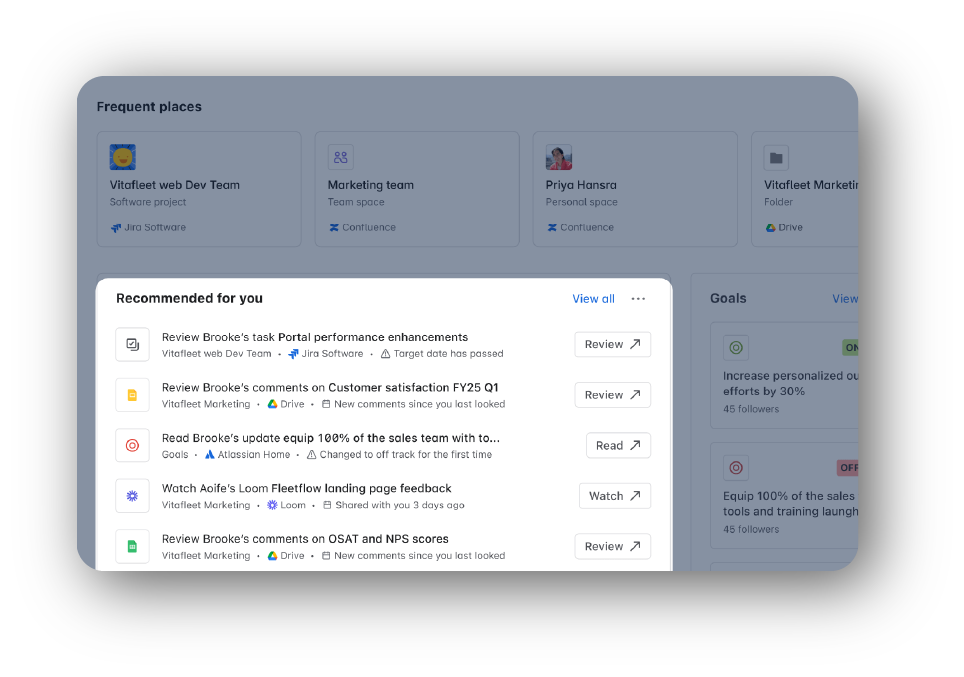
Work telemetry
Teamwork Graph
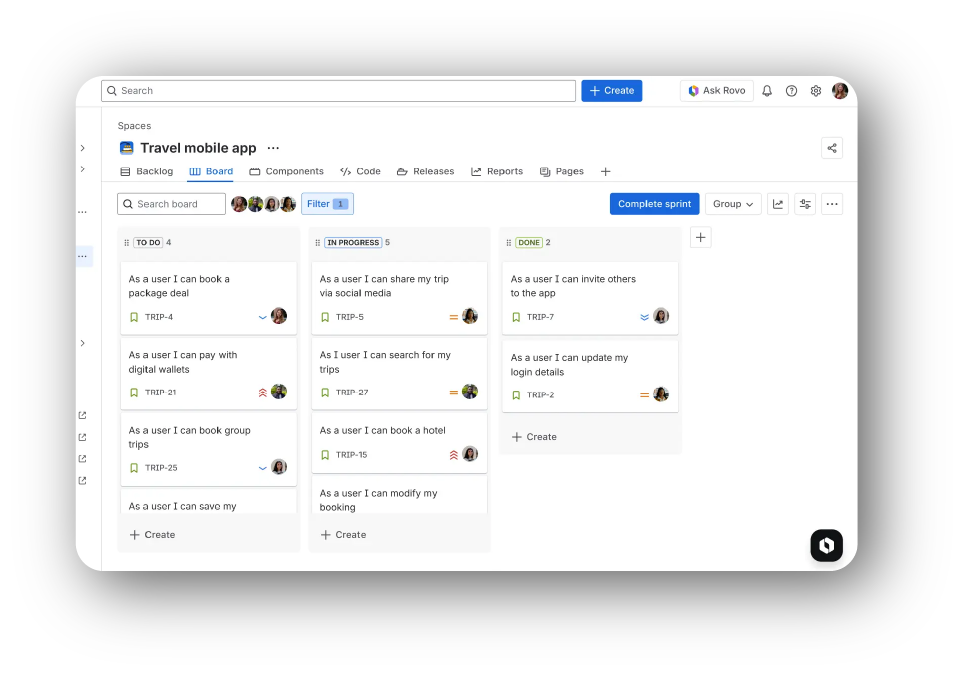
Enterprise integrations
CRM, ERP, BI, and core systems
A system for all teams
The System of Work is designed for the entire company, not just for IT or development.
The following participate in an integrated way:
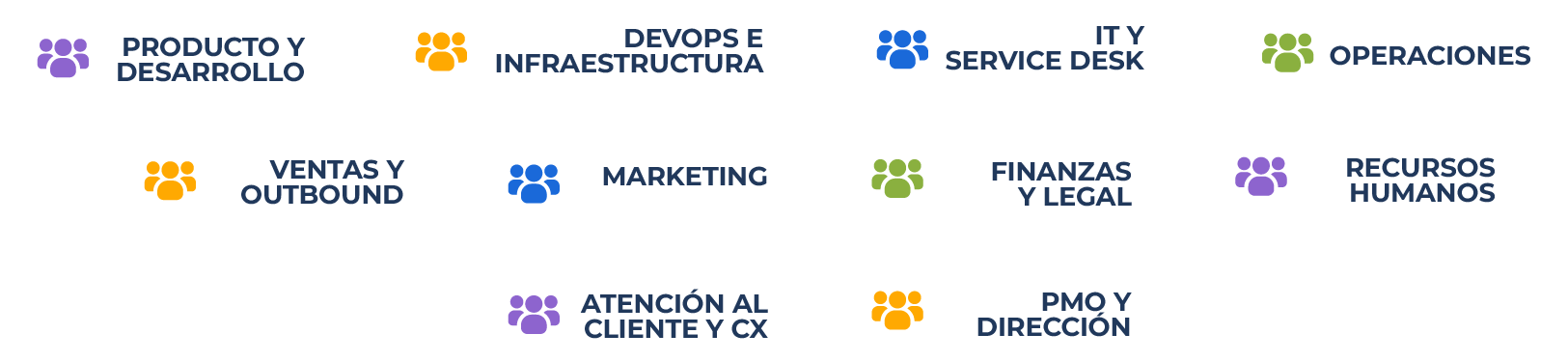
Every team works with its own dynamics but remains connected to the same system, like gears in a clock.
Problems the System of Work solves
Work fragmented across tools and teams.
Lack of visibility into real priorities.
Hidden dependencies that delay projects.
Excessive alignment meetings.
Loss of critical knowledge.
Decisions based on intuition rather than data.
The System of Work eliminates these friction points by centralizing work and making it visible.
What companies achieve with the System of Work






Execution aligned with strategy.
Fewer interruptions and more focus.
Better cross-functional collaboration.
Continuous organizational learning.
Scalability without losing control.
Increased delivery speed.
Measurable Results
Organizations that adopt the System of Work achieve:

75% project success rate by aligning work with goals.

35% fewer interruptions in daily flow.

40% faster time-to-value by standardizing processes and using AI.
Results that directly impact efficiency, costs, and competitiveness.